Something on quite an important man that arrives on November 14th this year: Sinterklaas!
In this article
If you're spending your first December in Flanders, you might find yourself rather puzzled. An elderly gentleman with a long white beard, a red robe and a golden staff travels all the way from Spain to deliver presents. He rides a white horse across rooftops and expects children to leave carrots in their shoes. Welcome to Sinterklaas!
For expats in the HOC Living community, this is one of those wonderfully quirky local traditions that make life in Antwerp so special. And if you're enjoying coliving with Dutch housemates, you'll soon discover that our northern neighbours take the whole thing a little further. Even adults join in enthusiastically, complete with presents, homemade creations and occasionally rather embarrassing poems.
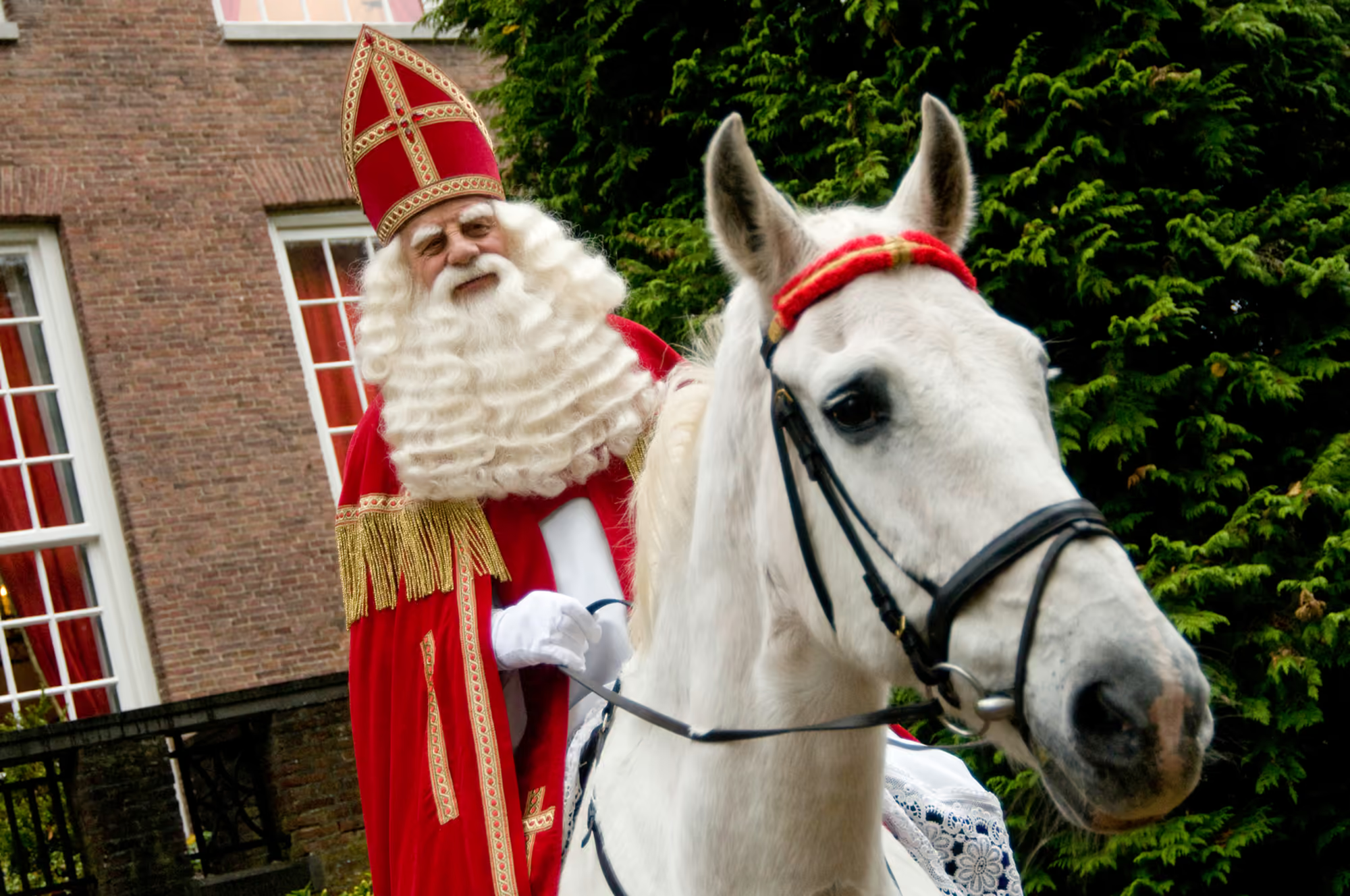
The story of Sinterklaas begins some 1,700 years ago with Nicholas of Myra, a bishop who lived in what is now Turkey. Known for his generosity, he became one of Europe's most beloved saints after his death.
According to a famous legend, Nicholas helped a poor father with three daughters by secretly leaving gold in their home. In some versions of the story, the gold landed in shoes or stockings that had been left to dry by the fire. This may help explain the tradition of leaving out shoes for presents.
But why does Sinterklaas come from Spain? The answer probably lies in a mixture of historical trade connections, folklore and traditions that developed over the centuries. There's no single, universally accepted explanation.
And his red robe and bishop's mitre? Those are reminders of his original profession.
Quite an impressive career, really: from bishop in Turkey to international gift-delivery specialist with a Spanish address.
December 6 is the traditional feast day of Saint Nicholas, believed to mark the anniversary of his death.
In Flanders, Sinterklaas usually delivers his presents during the night of December 5. Children wake up the following morning to discover what he has left behind.
Of course, this also means that many Flemish parents have an exceptionally busy evening on December 5. They must wait until the children are asleep, retrieve the hidden presents, fill the shoes and then pretend to know absolutely nothing about it.
Sinterklaas gets all the credit. The parents get sleep deprivation.
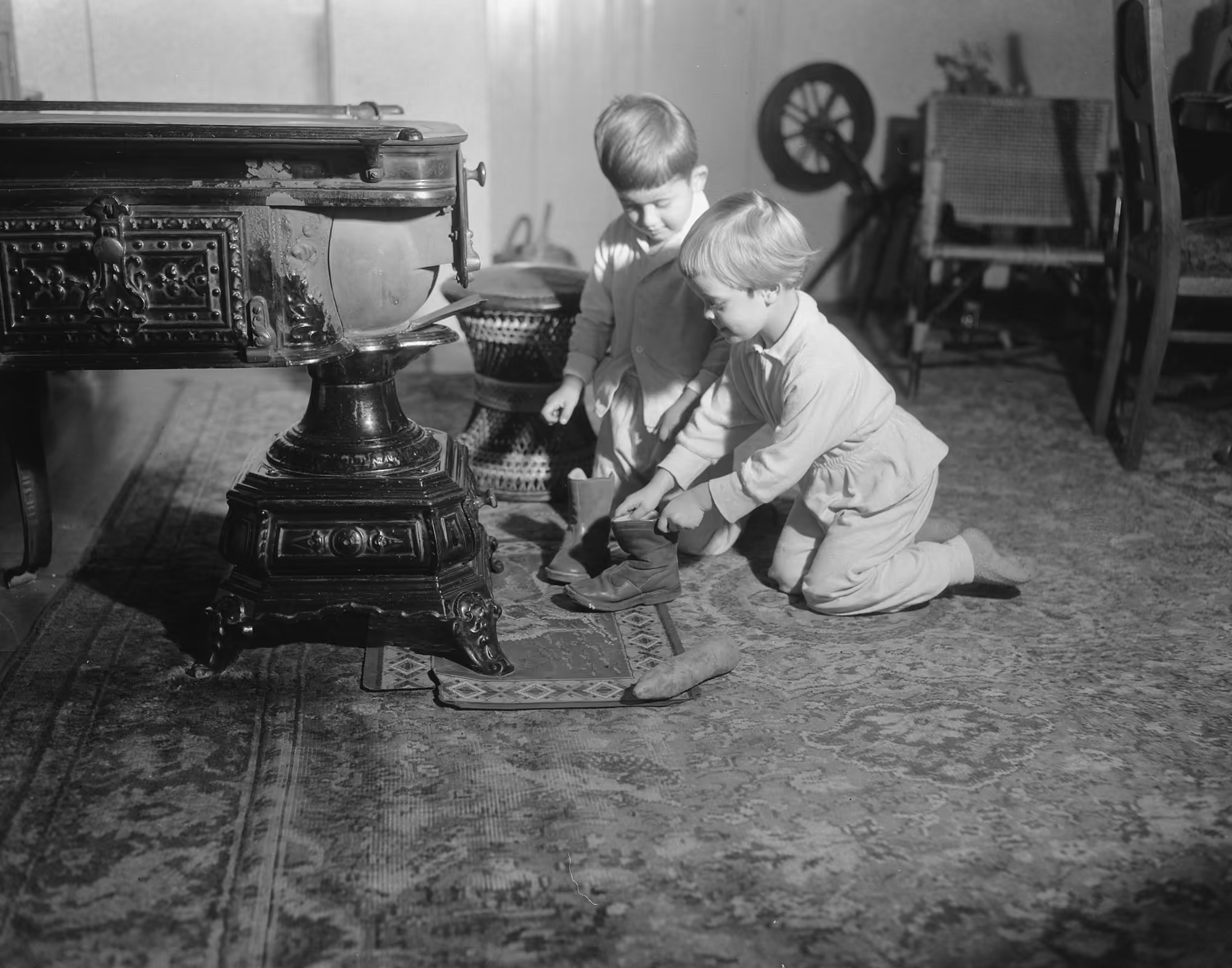
One of the most charming customs is schoentje zetten, or leaving out your shoe.
Children place a shoe near the fireplace, radiator or front door, often accompanied by a carrot, some hay or a sugar cube for Sinterklaas's horse.
Sometimes they add a drawing or a wish list. By the next morning, the horse's snack has mysteriously disappeared, replaced by sweets or a small present.
It's actually a brilliant system: children hand over vegetables and receive chocolate in return.
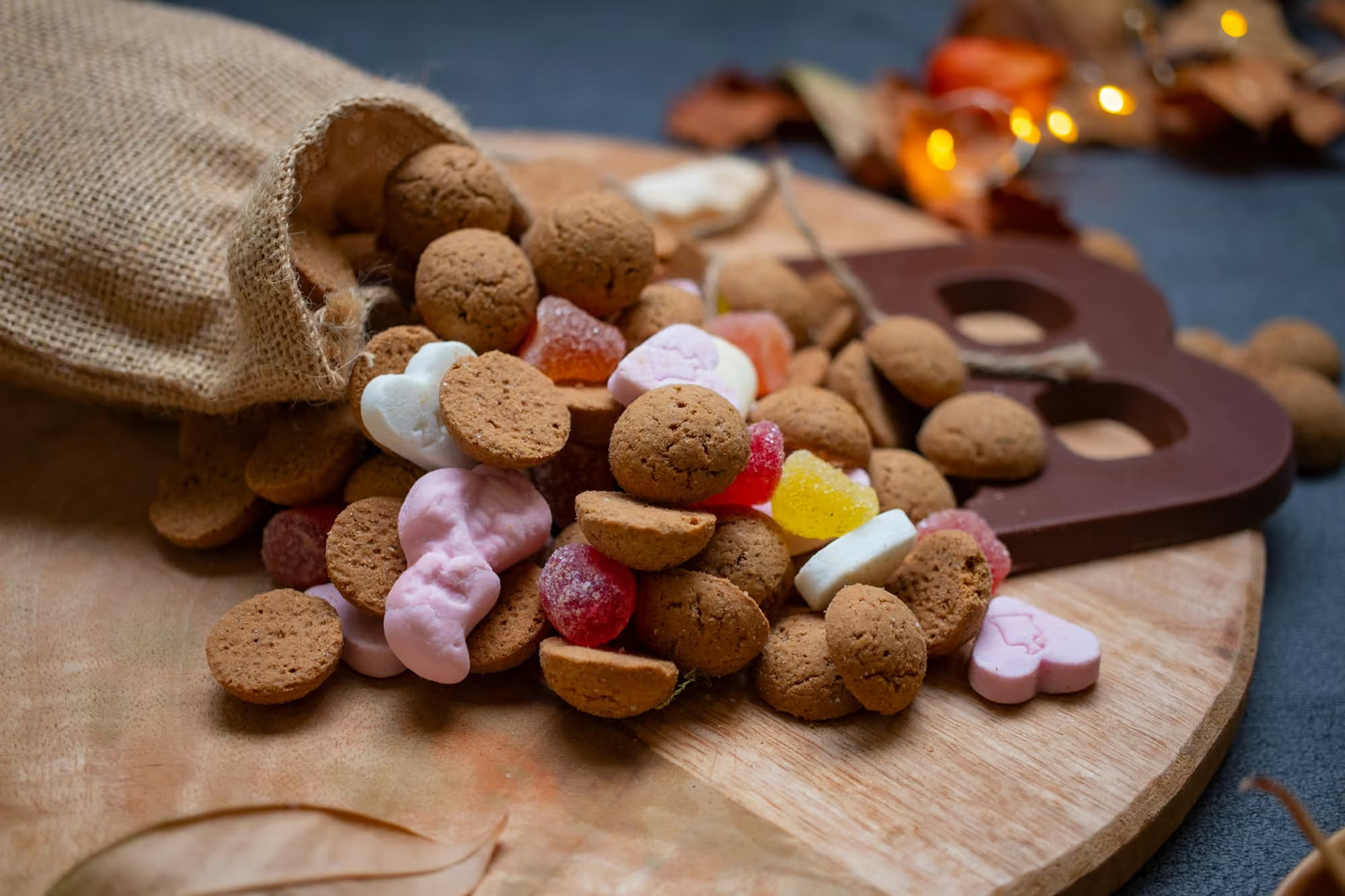
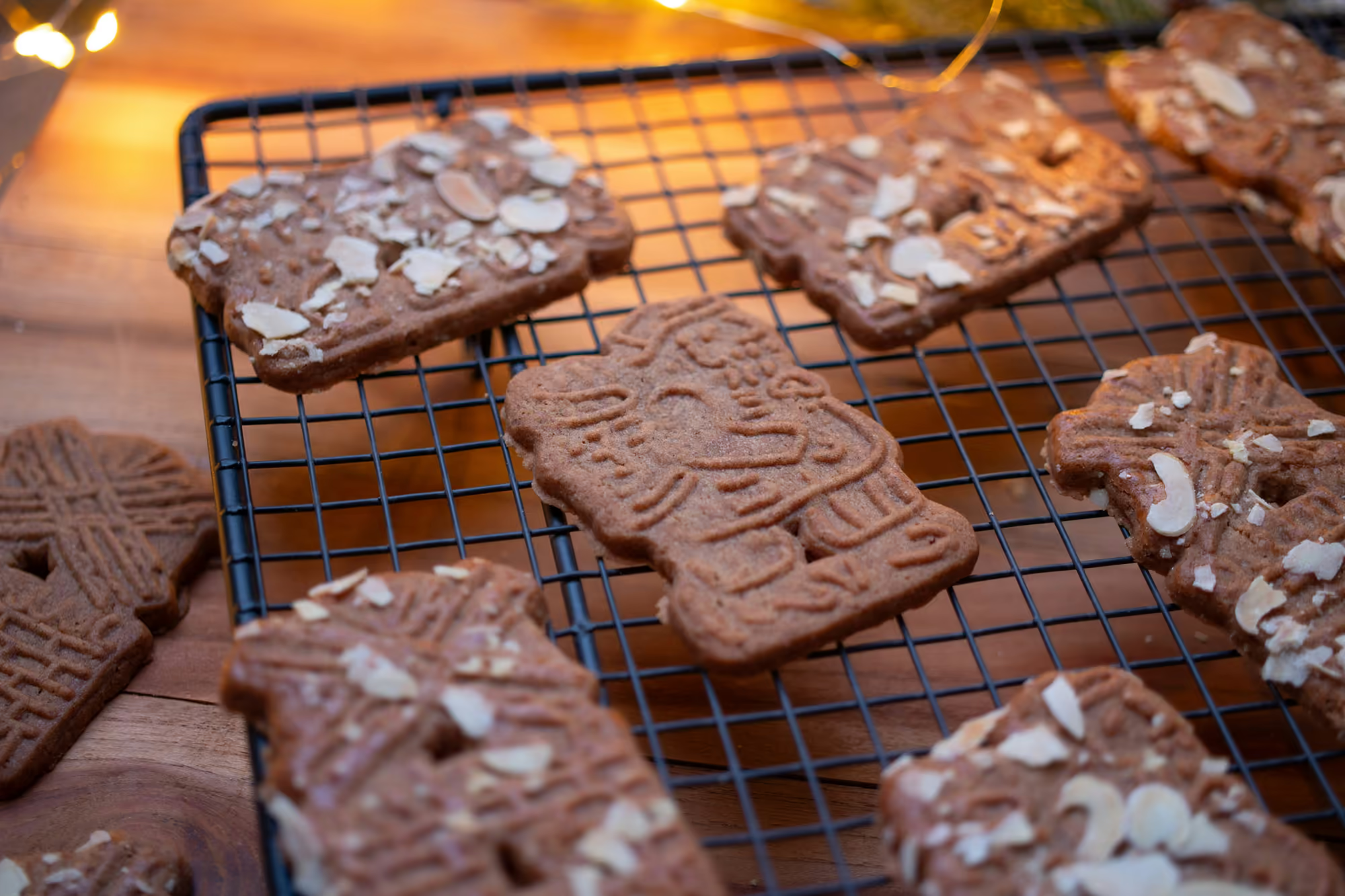
Typical Flemish treats include speculaas (spiced biscuits), marzipan, chocolate figures, mandarins and chocolate coins. The latter are a reminder of the generous bishop who supposedly gave gold to people in need.
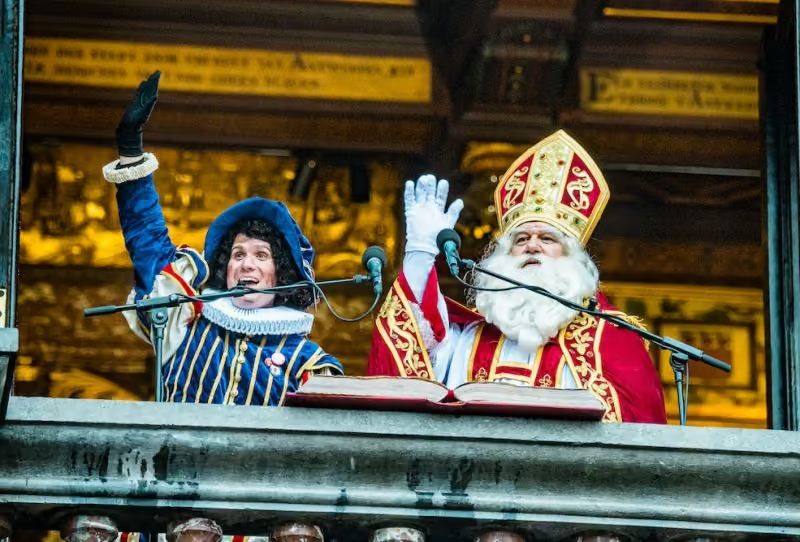
Foto: Ketnet/VRT - © Jokko 2023
Every November, Sinterklaas makes his grand entrance into Antwerp.
Traditionally, he arrives by boat, accompanied by his helpers, known as Pieten. He then makes his way through the city, welcomed by thousands of excited children.
For young Antwerp residents, it's one of the most thrilling days of the year. For their parents, it's mostly an exercise in patience, warm clothing and locating small children in enormous crowds.
The arrival is also broadcast on television. An important occasion, because from that moment onwards, Sinterklaas is officially in the country and the countdown can begin.
The character of Piet has changed over the years. The traditional Zwarte Piet (Black Pete), criticised for its racist stereotypes, has increasingly been replaced by other representations, including roetpieten, whose faces are marked with soot from the chimneys.
Like so many centuries-old traditions, the Sinterklaas celebration continues to evolve.
And then there are our northern neighbours.
While Sinterklaas is primarily a children's celebration in Flanders, the Dutch often turn it into a full-blown family event. The highlight is pakjesavond, or presents evening, on December 5.
Families and groups of friends get together, draw names and buy presents for one another.
But simply handing someone a nicely wrapped gift? For many Dutch people, that's far too easy.
There has to be a surprise.
Despite its English-looking name, a Dutch surprise is something quite specific: an elaborate, homemade creation with a present hidden inside.
It might be a cardboard washing machine, a giant shoe, a homemade car or an entire miniature house. The more imaginative, the better.
And then come the poems.
The Dutch write rhyming verses for one another, gently (or not so gently) making fun of the recipient. A forgotten birthday, a disastrous date, an obsession with fitness or a chronic inability to arrive on time: absolutely everything is fair game.
For example:
Dear friend, the Sint has heard you say,
You'll start your workouts any day.
But every morning, without fail,
Your sofa wins. Your plans derail.
So here's a gift, especially for you,
Though the Sint suspects you'll skip the gym too.
Literary brilliance is optional. As long as everyone has a good laugh, the evening is a success.
In Flanders, we sometimes watch all this with mild astonishment. We already consider it quite an achievement if the chocolate Sinterklaas hasn't been completely devoured by December 6.
1. His horse has a rather unusual name
In Flanders, many children know Sinterklaas's horse as Slecht Weer Vandaag, which literally means "Bad Weather Today".
In the Netherlands, the horse is now called Ozosnel, roughly meaning "Oh So Fast". Before that, he was known for years as Amerigo.
Apparently, even magical horses occasionally need a rebranding.
2. The steamboat is younger than you might think
Dutch schoolteacher Jan Schenkman helped popularise the image of Sinterklaas arriving by steamboat in his 1850 children's book Sint Nikolaas en zijn knecht (Saint Nicholas and His Servant).
A relatively modern addition to a centuries-old celebration.
3. There's actually a town called Sint-Niklaas
Not far from Antwerp lies Sint-Niklaas, a town named after the saint himself.
Saint Nicholas is also the patron saint of sailors and merchants, among others.
Clearly, delivering presents was only one of his many responsibilities.
4. Sinterklaas doesn't bring presents everywhere
In some parts of Flanders, including areas of West Flanders and around Aalst, Saint Martin (Sint-Maarten) traditionally takes centre stage as the gift-bringer on November 11.
Apparently, even the saintly gift-delivery business isn't entirely a monopoly.
5. Speculaas is more than just a biscuit
Large, often beautifully decorated speculaas figures are a beloved part of the Sinterklaas tradition.
In the Netherlands, kruidnoten (small, crunchy spiced biscuits) and chocolate letters are especially popular.
And no, kruidnoten and pepernoten are technically not the same thing.
This is a distinction the Dutch can be surprisingly passionate about.
Living with international housemates offers the perfect opportunity to give this tradition a try yourself.
Why not organise a little Sinterklaas evening? Draw names, buy each other a small present and write a funny poem about your housemate.
Or introduce the Dutch surprise tradition if you're feeling particularly creative.
You don't need to be religious, have children or even believe in Sinterklaas. Ultimately, it's about getting together, surprising one another and having fun.
And that's exactly what community living at HOC Living is all about: discovering different cultures, sharing experiences and creating new memories together.
So, dear expats, feel free to leave a shoe out on December 5. Who knows what you might find the next morning?
Although we'd probably save the carrot for the horse.
Next article
From Monday 9 November, every HOC tenant can use Work of Co free of charge. One Tapkey opens the house and the workspace, and a monthly Friday Unwind gives the week somewhere to end.
Continue reading