Het boek 'The Disappearance of Rituals' van Byung-Chul Han biedt een manier om onder woorden te brengen wat velen van ons voelen: dat het moderne leven een deel van zijn ritme heeft verloren. In dit artikel wordt nagedacht over hoe ‘coliving’ via gezamenlijke rituelen het gevoel van aanwezigheid kan herstellen.
In dit artikel
Ons dagelijks leven bestaat uit een aaneenschakeling van gebeurtenissen, taken, boodschappen en wisselende gedachtenstromen. Maar er is een onderliggende structuur die dit alles bij elkaar houdt en vorm geeft aan onze routines. Dat is wat rituelen doen.
Een croissant ’s ochtends bij de bakker op de hoek, of een ontspannende douche ’s avonds met muziek en kaarslicht – deze momenten hebben psychologische kracht en brengen stabiliteit in een chaotische wereld.
Routine is onze vorm van automatische piloot: een reeks functionele, doelgerichte handelingen die je elke dag moet uitvoeren, zoals het opwarmen van je vooraf bereide lasagne in de magnetron na een lange werkdag. Snel, efficiënt en met zeer weinig mentale inspanning.
Een ritueel is waar je in balans blijft. Het gaat niet om het einddoel, maar om het proces zelf. Het is de originele lasagne volgens het familierecept van de Italiaanse nonna van je vriend: een pastamachine, verse eieren, gehakt en verse basilicumblaadjes uit je „tuintje“ op de vensterbank, natuurlijk. Je kookt het niet omdat je honger hebt; je kookt het voor de uitzonderlijke smaak. Misschien om te delen met vrienden.
Rituelen creëren betekenis en geven ritme aan het leven.
De moderniteit legt haar eigen ritme op: het leven stelt efficiëntie boven vorm. Als iets geen duidelijke functie of economische waarde heeft, wordt het weggegooid. Je hebt geen gedrukt tijdschrift en geen tijd nodig om je over een onderwerp te verdiepen; je typt gewoon je vraag in een AI-chatvenster. Je krijgt online informatie, ideeën en inspiratie, vermaak en communicatie met vrienden. Zo hebben gadgets ons van inspanning en aandacht beroofd. Ze hebben ons ook van tijd beroofd.
Zonder rituelen wordt tijd vormloos. We zinken weg in een stroom van content en worden er urenlang door opgeslokt zonder dat we het merken. Dan beginnen we het gevoel te krijgen dat de tijd versneld is, nietwaar? Natuurkundigen hebben hier misschien ook hun eigen antwoord op, maar wat als het grootste probleem is dat we onze houvast verliezen?
We voelen ons online nog steeds verbonden met andere mensen. We hebben zelfs toegang tot een glimp van wat er in hun leven en gedachten omgaat via Threads of via de Reels die ze leuk vinden. Maar zijn we ons überhaupt bewust van elkaars aanwezigheid?
Dit komt dicht in de buurt van wat Byung-Chul Han onderzoekt in The Disappearance of Rituals: A Topology of the Present. Zijn stelling is dat rituelen niet louter decoratieve tradities of charmante overblijfselen uit het verleden zijn. Het zijn symbolische vormen die structuur geven aan de tijd, menselijke relaties stabiliseren en een gevoel van een gedeelde wereld creëren. Het boek van Han is minder een theorie over rituelen in antropologische zin en meer een diagnose van wat voor soort leven mogelijk – en onmogelijk – wordt wanneer rituelen verdwijnen. Hij schrijft over de textuur van het heden: waarom het moderne leven overbelicht, versneld, geïndividualiseerd en vreemd leeg kan aanvoelen, zelfs als het vol communicatie en keuzemogelijkheden zit.
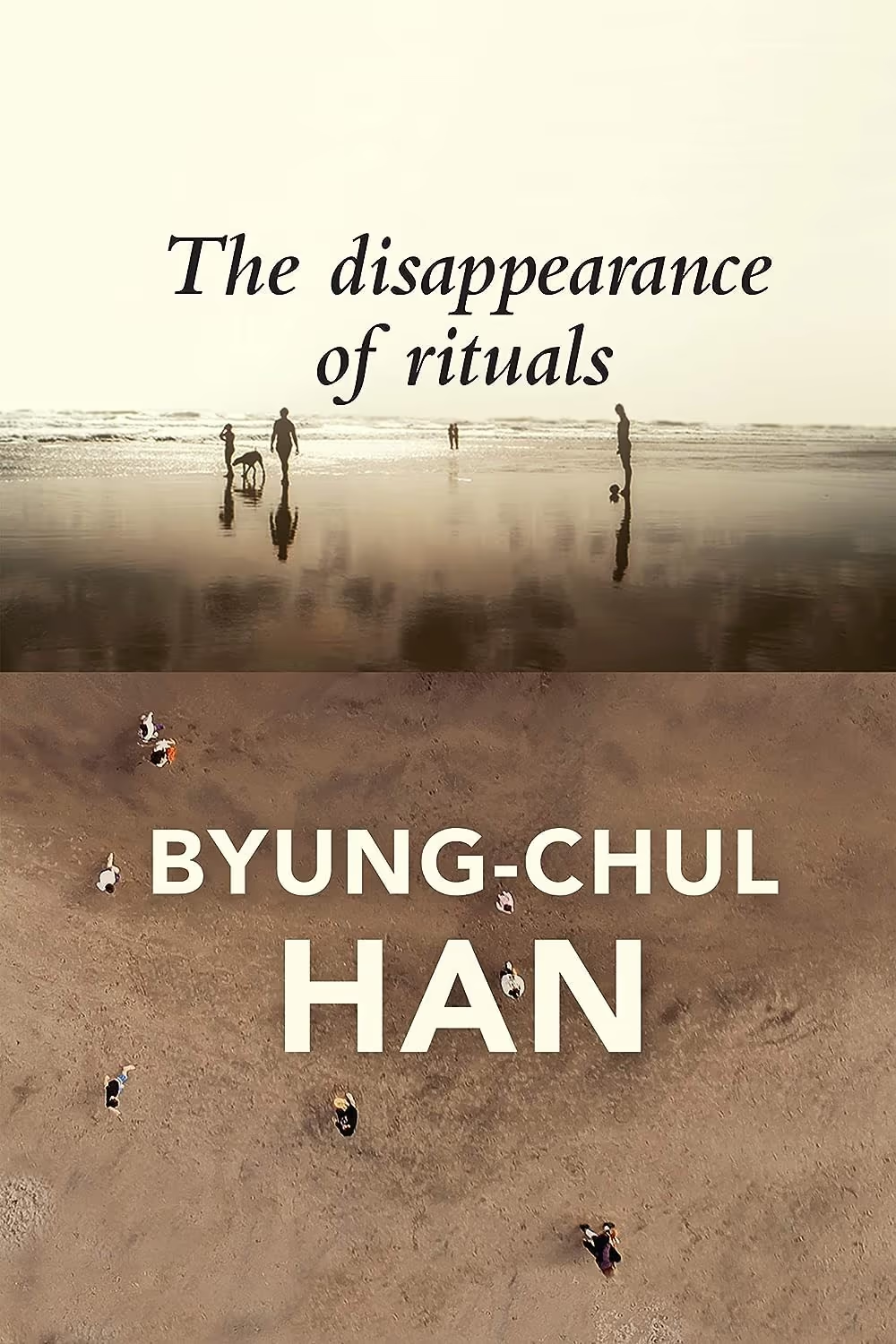
[ Byung-Chul Han, The Disappearance of Rituals: A Topology of the Present. 2019: https://www.amazon.com/Disappearance-Rituals-Topology-Present/dp/1509542760 ]
Wat hem het meest lijkt te bezighouden, is dat rituelen vormen zijn. Ze zijn niet waardevol omdat ze efficiënt, expressief of emotioneel intens zijn. Ze zijn waardevol omdat ze het leven stabiliseren door herhaling en symbolische orde. Ze markeren begin en einde, drempels en terugkeer. Ze vertellen ons hoe we een maaltijd, een weekend, een seizoen, een feest of een afscheid moeten beginnen. Ze creëren een wereld die niet elke dag opnieuw hoeft te worden uitgevonden.
Daarom is het verlies van rituelen volgens Han niet alleen het verlies van charmante tradities. Het is het verlies van een gedeelde vorm. En wanneer die gedeelde vorm verdwijnt, blijft het individu alleen achter met de taak om uit ruwe ervaring betekenis, identiteit en oriëntatie te creëren. Dit is een van de terugkerende thema’s in zijn werk: moderne subjecten krijgen te horen dat ze vrij zijn, maar in de praktijk worden ze vaak alleen maar opgezadeld met de last van zelfcreatie.
Han maakt een subtiel maar belangrijk onderscheid tussen emoties en gevoelens. Hij heeft de neiging emotie te beschouwen als iets directers, vluchtigers en gebeurtenisgedreven – een golf, een reactie of een uitbarsting. De moderne cultuur zit vol verontwaardiging, opwinding, bekentenissen, prikkels, zichtbaarheid en onmiddellijke reacties. Deze emoties hebben een korte cyclus. Ze zijn aanstekelijk, maar niet noodzakelijkerwijs bindend. Ze laaien op en verdwijnen weer.
Een gevoel daarentegen staat dichter bij duur, diepgang en innerlijke resonantie. Het heeft meer continuïteit, het kan rijpen, bezinken en onderdeel worden van hoe iemand in de wereld staat. Rituelen behoren meer tot dit tweede register. Ze zijn niet bedoeld om emotionele pieken te veroorzaken. In feite doen ze vaak het tegenovergestelde: ze vangen ruwe emoties op, geven ze vorm en temperen ze door ze in een kader te plaatsen. Een rouwritueel ontkent bijvoorbeeld het verdriet niet, maar geeft het verdriet een gedeelde taal en volgorde. Bij een gezamenlijk avondgesprek hoeft niet iedereen emotioneel expressief te zijn – je kunt als een kat op de bank liggen en luisteren naar het geklets van anderen; het creëert nog steeds warmte door vorm, herhaling en aanwezigheid.
Dat onderscheid is belangrijk omdat onze huidige cultuur emotionele intensiteit vaak verwart met een betekenisvolle ervaring, waarover Han sceptisch is. Hij suggereert dat een leven dat uitsluitend bestaat uit emotionele hoogtepunten en uitingen, onstabiel wordt. Het mag dan vol prikkels zitten, maar niet vol betekenis waarin je kunt leven. Rituelen bieden iets rustigers: ze zetten voorbijgaande toestanden om in blijvende betekenis.
Gedeelde ervaring staat hier centraal. Han romantiseert saamhorigheid niet op een naïeve manier, maar hij gelooft duidelijk dat rituelen een gemeenschappelijke wereld creëren. Een ritueel wordt niet alleen gedeeld omdat er meerdere mensen aanwezig zijn, maar omdat ze deelnemen aan dezelfde vorm. Tegenwoordig kijken veel mensen naar dezelfde inhoud, reageren ze op dezelfde gebeurtenis, geven ze commentaar op dezelfde trend. Het is gezamenlijke aandacht, niet noodzakelijkerwijs gemeenschap. Rituelen creëren een gedeelde ervaring omdat ze een multimodale samenklank coördineren: lichamen, tijd, gebaren en aandacht. Ze brengen mensen tot rust in een patroon dat ze samen herkennen. Denk aan het dekken van de tafel, elkaar op een vertrouwde manier begroeten, kaarsen aansteken, zingen, proosten, rouwen, elke zondag samenkomen, iemands komst of vertrek vieren. De kracht zit niet zozeer in nieuwigheid of informatie. Ze zit in het feit dat er samen iets wordt uitgevoerd. Een ritueel zegt: dit moment is niet willekeurig, en we zijn niet zomaar naast elkaar staande individuen die er elk op hun eigen manier doorheen gaan. We nemen deel aan iets dat we gemeen hebben.
En dit is precies waarom het idee zo belangrijk is bij coliving.
Bij coliving wordt vaak gesproken over design, gemak, flexibiliteit en gemeenschap. Maar een gemeenschap ontstaat niet automatisch alleen omdat mensen een balkon of een badkamer delen. Een gedeelde ruimte is nog geen gedeeld leven. Wat een plek warmer en gedenkwaardiger maakt, is vaak het ritueel.
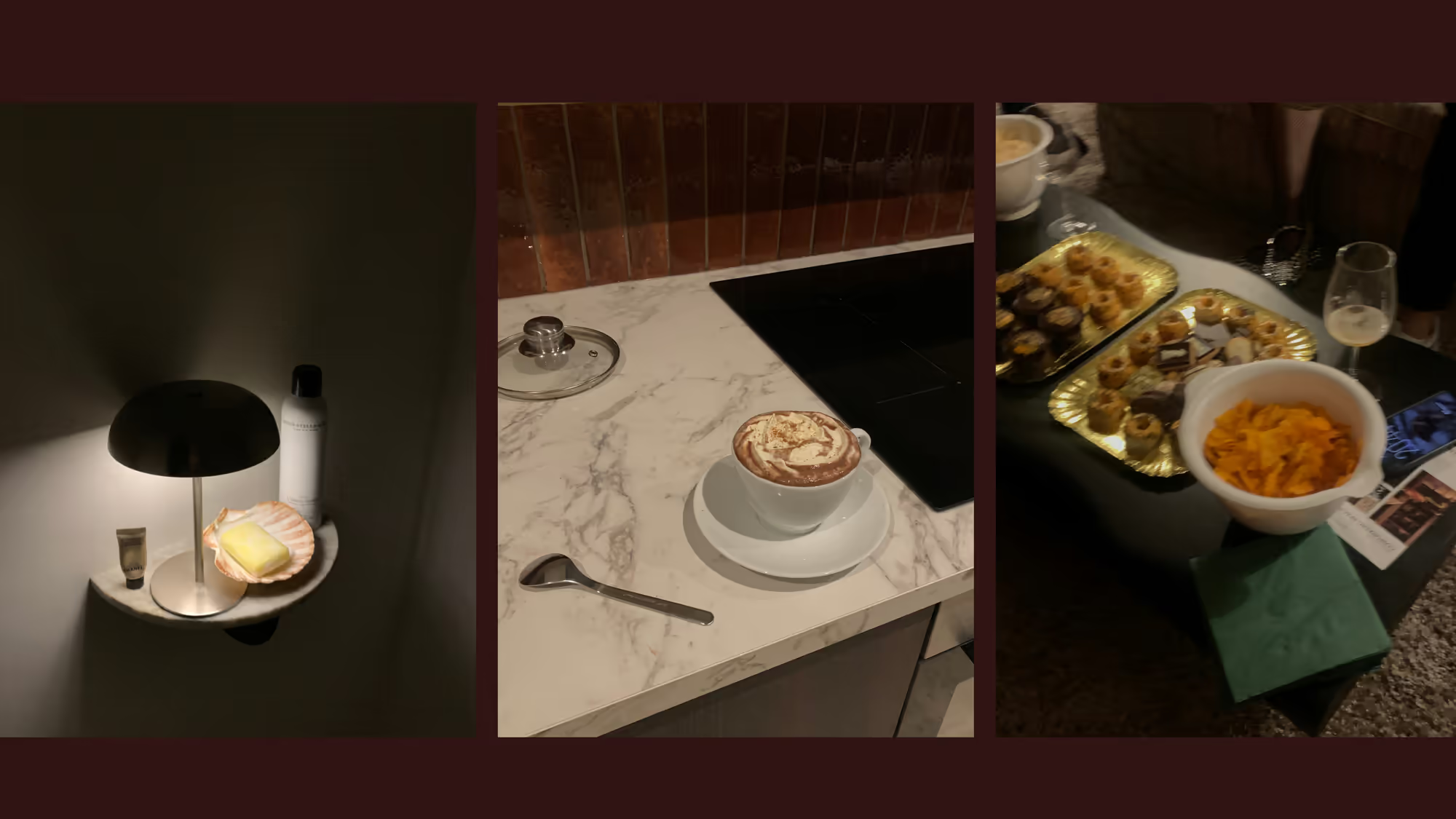
Een welkomstdiner voor nieuwe huurders. Espresso op zondagochtend, gezet door je huisgenoot die barista is. Een zoete verrassing voor een verjaardag in de gemeenschappelijke ruimte. Een maandelijkse ‘Cuisines-Of-The-World’-kookavond. Een afscheidsritueel voordat iemand verhuist. Deze dingen lijken misschien klein, maar ze creëren ritme. Ze geven mensen iets om naar terug te keren, iets om te herkennen, iets waar ze bij horen.
Zonder rituelen kan coliving functioneel, mooi en zelfs vriendelijk blijven – maar toch transactioneel aanvoelen. Met rituelen krijgt het textuur, continuïteit en emotionele herinneringen. Rituelen zijn wat samenwonen omzet in een gemeenschap.
In die zin vormen rituelen de onzichtbare architectuur van coliving. Ze zijn geen bijzaak van de gemeenschap, maar een van de echte fundamenten ervan. In een wereld die steeds meer wordt gevormd door gemak en digitale overstimulatie, is wat mensen misschien verlangen een plek waar het leven weer ritme, betekenis en aanwezigheid krijgt.
Tatiana Tsapenko | Augustus 2026 · info@houseofco.eu
Volgend artikel
HOC heeft een ongelooflijk gezellig en rustig huis gecreëerd, midden in het hart van de bruisende wijk Seefhoek, ook wel bekend als Antwerpen 2060 of kortweg 2060. Het is een plek geworden waar de drukte van het stadsleven naar de achtergrond verdwijnt en waar de prachtige inrichting uiterst uitnodigend is.
Verder lezen