Stel dat thuis ook je derde plek kon zijn? HOC onderzoekt hoe co-living in Antwerpen de informele, community-gedreven plekken terugbrengt die het moderne stadsleven wegnam — verdeeld over vijf verschillende manieren van samenwonen.
In dit artikel
Decennialang verdeelden we ons leven over drie plekken. Thuis was de eerste. Werk was de tweede. En de derde — degene die socioloog Ray Oldenburg in 1989 benoemde — was de informele, vrijwillige, met plezier verwachte plek waar je simpelweg naartoe ging om onder de mensen te zijn. De buurtkroeg. Het café waar ze je bestelling kenden. De kapper waar het gesprek het eigenlijke product was.
Oldenburgs zorg, bijna veertig jaar geleden opgeschreven, was dat de derde plek aan het verdwijnen was. Het thuisleven werd geprivatiseerd. Werk slokte alles op. De goedkope, neutrale "gewoon-er-zijn"-plekken verdwenen — of werden geherbrand tot productiviteitslocaties met laptopmenu's en reserveringssystemen.
Hij noemde het resultaat de pendel van thuis-naar-werk-en-weer-terug. Klinkt bekend?
Hier is wat er volgens mij daarna gebeurde. Voor een generatie die huurt, tussen steden verhuist en vanaf een laptop werkt, werd het heropbouwen van de derde plek als apart café dat je bezoekt breekbaar en duur. Je kunt nergens echt een vaste klant zijn als je volgend semester misschien verhuist. Dus deed de derde plek iets slims.
Ze verhuisde naar de eerste plek.
De gedeelde lounge is geen extraatje. Het is de kroeg. De keuken om 11 uur 's avonds is geen kenmerk op een plattegrond. Het is de buurtbar, de kapper, de salon — de ruimte waar het gesprek de hoofdactiviteit is en niemand een tafel heeft gereserveerd.
Dat is het idee achter alles wat we doen bij HOC. Geen gebouwtype. Een instelling op een schaal. Vijf verschillende antwoorden op dezelfde vraag: hoeveel saamhorigheid heb je nu nodig?
Het huis met 17 kamers is de buurtbar op een drukke avond. Neutraal terrein, vaste klanten, speelse sfeer, vreemden welkom — elk kenmerk dat Oldenburg noemde. Groot genoeg om elke week iemand nieuws tegen te komen. Het geroezemoes is constant. Je stemt af en luistert weer weg.
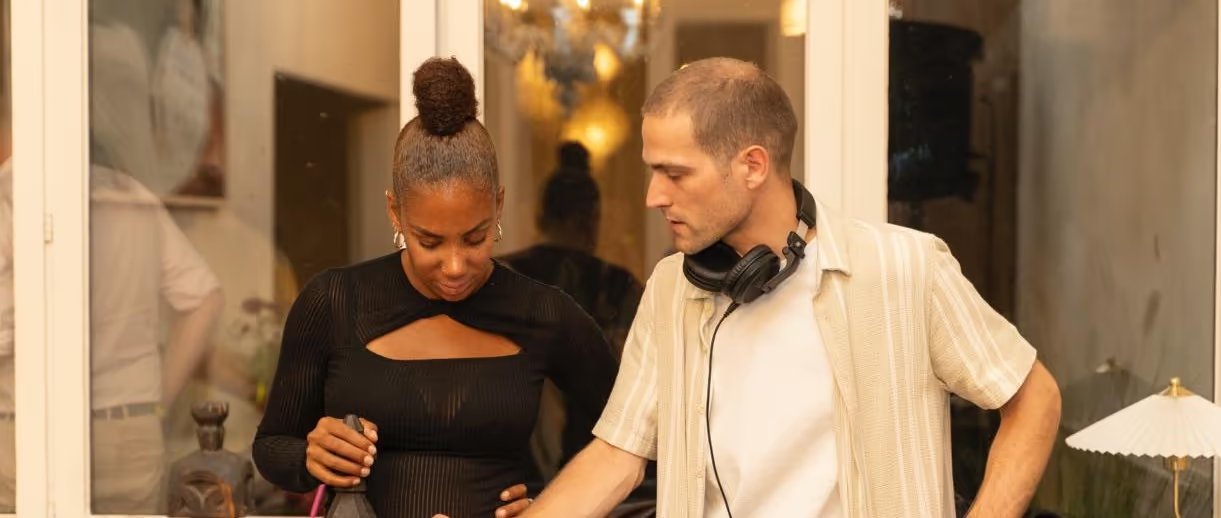
Het huis voor 8 is de salon. Klein genoeg dat iedereen een vaste klant is, groot genoeg voor toeval. De herhaling met lage inzet die vriendschap volgens Oldenburg juist nodig heeft. Waar "huisgenoot" langzaam "vriend" wordt.
Privéstudio's met een gedeelde lounge zijn het café. Je eigen voordeur, een woon-community-afstand van 30 seconden wanneer je die wilt. Stilletjes weggaan hoort er ook bij. De derde plek waar je voor kunt kiezen zonder een tafel te reserveren. De ideale plek voor de introvert.
Het grote appartement voor twee is de biechtstoel aan de keukentafel. Eén andere persoon. De zuiverste versie van de belofte van de derde plek: gesprek als hoofdactiviteit, geen agenda, geen publiek.
De solostudio is je dagelijkse ontsnapping. Je maakt nog steeds deel uit van het ecosysteem. Het trappenhuis, de WhatsApp, het geroezemoes van het gebouw. Parallel spel met een deur. Eenzaamheid, maar je bent niet aan je lot overgelaten.
Oldenburgs diepere punt was dat derde plekken niet alleen buren opleveren. Ze zijn "ouder van andere vormen van verbondenheid." Dus laten ze dingen groeien.
Ze laten liefdesverhalen groeien — nabijheid als de originele datingapp. Twee mensen die elkaar nooit op Hinge zouden hebben gematcht omdat hun profielen totaal niet op elkaar leken, maar die steeds op hetzelfde uur in de keuken belandden, en drie jaar later zijn ze nog steeds samen, nog steeds ruziënd over wiens beurt het is om af te wassen.
Ze laten levenslange vriendschappen groeien — de pijplijn van vaste klant naar vriend, gebouwd door herhaling, niet door inspanning. Het huis voor 8 en het appartement voor 2 zijn waar deze meestal beginnen.
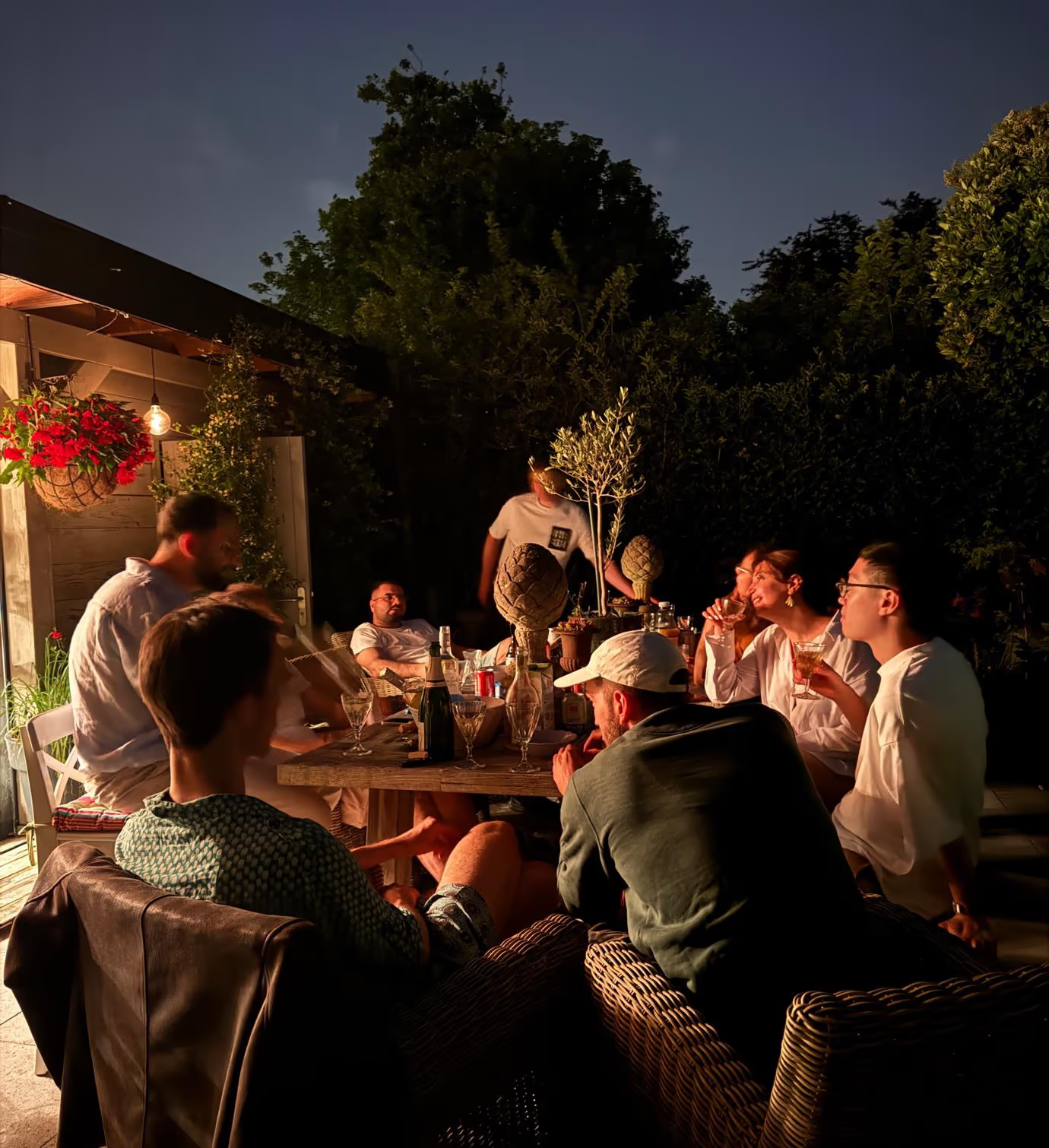
En — dit is degene waar niemand het over heeft — ze laten toevluchtsoord groeien. Oldenburg zei dat derde plekken je toelaten om "je zorgen opzij te zetten en gewoon van het gezelschap te genieten." Maar voor veel mensen is de diepste versie daarvan dicht bij mensen zijn zonder voor hen te hoeven presteren. Op bed wegrotten, maar veilig. Alleen, maar niet eenzaam. Sommige van onze bewoners komen naar co-living juist om met rust gelaten te worden — en het gebouw biedt hen dat, stilletjes, tot de week dat ze het niet meer nodig hebben.
Niets hiervan werkt in het abstracte. Een derde plek heeft een straat eromheen nodig.
Daarom kiezen we buurten zoals de Seefhoek — een doolhof van smalle straten en dichtopeengepakte huizen in Antwerpens noorderkwartier, genoemd naar een bier dat er ooit werd gebrouwen. Arbeidersbuurtbewoners, immigranten en kunstenaars delen die straten al generaties lang. Oude fabrieken en werkplaatsen staan herbestemd als galerieën, cafés en woonruimtes. Marokkaanse tajines en Turkse gözleme staan naast Vlaamse kost. Muurschilderingen duiken op onopvallende muren op. Het De Coninckplein loopt vol op marktdagen.
Het is ruw, romantisch en weigert zich makkelijk te laten categoriseren. Precies het soort plek waar een derde plek wil wonen.
Onze locaties in Zuid zijn het rustigere, meer bezonken register — groen, café-achtig, het volume iets lager. Dezelfde schaal, ander volume. Beide dicht bij het centrum. Beide omgeven door het gemak dat het dagelijks leven wrijvingsloos laat verlopen. Beide, hopen we, dragen dezelfde artistieke, moderne, stilletjes eigenzinnige energie die van een postcode een stemming maakt.
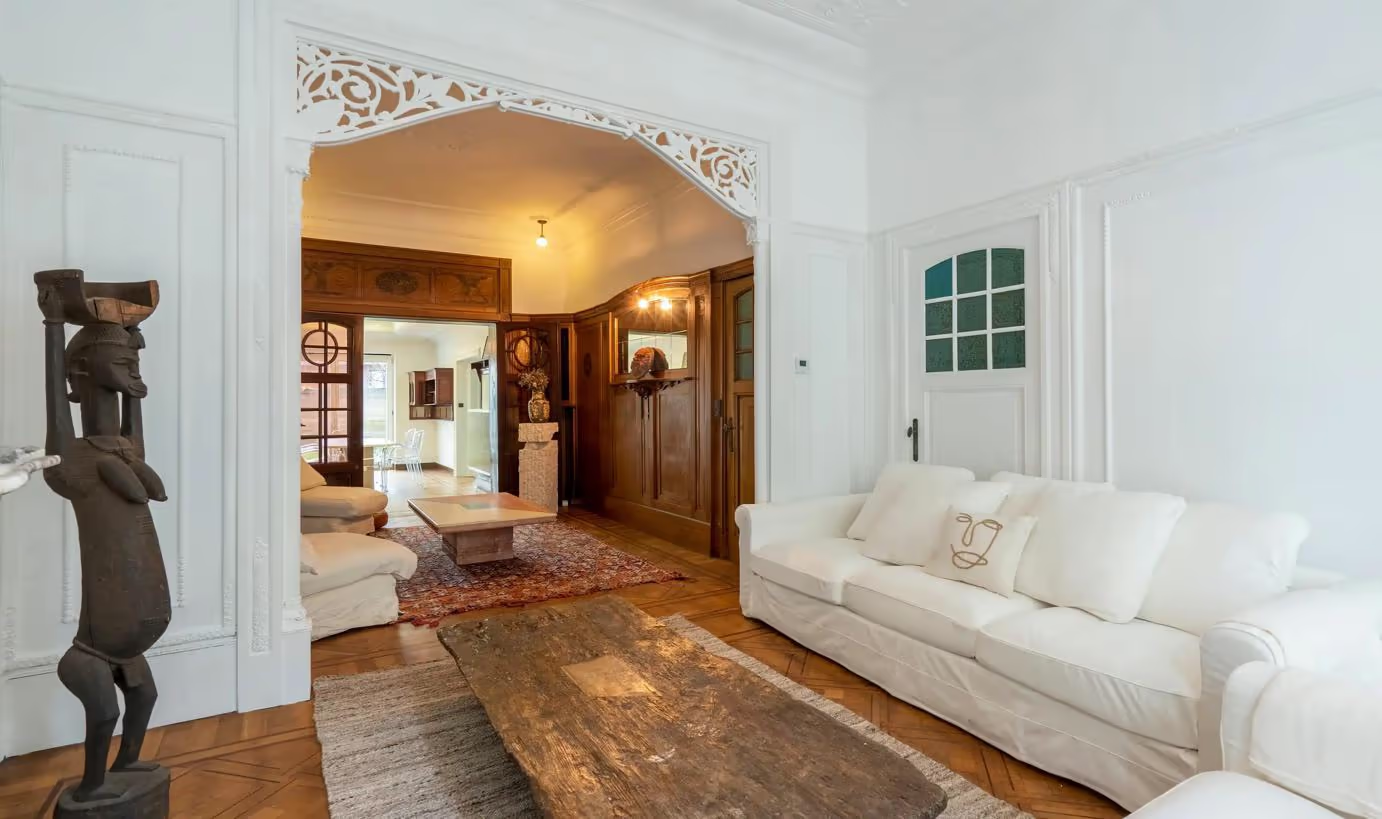
Want het HOC-concept is niet zomaar "kamers dicht bij het centrum." Het is de overtuiging dat elk deel van deze stad zijn aantrekkelijke, artistieke en levendige verhalen kan vertellen — en dat de mensen in de gebouwen daarvoor zorgen.
Oldenburg maakte zich zorgen dat de derde plek stervende was. Misschien is dat niet zo. Misschien is ze gewoon getrouwd met de eerste plek.
Thuis kan voor een generatie die verhuist geen vaste bestemming meer zijn. Maar het gevoel van een derde plek — erbij horen zonder verplichting, gesprek zonder reservering, vaste klanten zonder bar — kan binnen een gebouw leven.
Dat is wat wij doen. In vijf verschillende volumes. Verspreid over twee heel verschillende Antwerpse postcodes. Voor de 24-jarige die nieuw is in de stad en nieuwsgierig. En de 34-jarige die herstellende is van iets. Voor de parallelle spelers en de keukentafelpraters en de mensen die gewoon een deur nodig hebben die ze een maand lang dicht kunnen doen.
Tatiana Tsapenko | juli 2026 · info@houseofco.eu
Volgend artikel
Decennialang verliep het idee van ‘thuis’ volgens een bekend stramien. Je studeerde af, vond een baan, huurde je eerste studio, kocht je eigen appartement en vestigde je uiteindelijk. Thuis was een eindbestemming — een vaste plek waar je leven zich ontvouwde. Tegenwoordig ziet dat verhaal er heel anders uit.
Verder lezen