Wat Gen Z ons kan leren over de toekomst van thuis. In dit artikel wordt het verschil uitgelegd, wordt de ‘eenzaamheidseconomie’ achter de opkomst van gedeeld wonen onder de loep genomen en wordt bekeken hoe de Antwerpse gemeenschap van HOC een nieuwe invulling geeft aan wat ‘thuis’ betekent — zowel voor nieuwkomers als voor mensen die er al hun hele leven wonen.
In dit artikel
Decennialang volgde het idee van ‘thuis’ een bekend stramien. Je studeerde af, vond een baan, huurde je eerste studio, kocht je eigen appartement en vestigde je uiteindelijk. Thuis was een bestemming — een vaste plek waar het leven zich ontvouwde.
Tegenwoordig ziet dat verhaal er heel anders uit.
Globalisering is de norm. Jonge professionals verhuizen voor hun werk van de ene stad naar de andere, studenten grijpen internationale kansen aan en telewerkers zijn niet langer gebonden aan één locatie. Flexibiliteit is een kenmerkend aspect van het moderne leven geworden. Maar hoewel mobiliteit nieuwe kansen heeft gecreëerd, heeft het ook een uitdaging met zich meegebracht die vaak over het hoofd wordt gezien: het vinden van een gevoel van verbondenheid.
Misschien is dat de reden waarom de termen ‘co-housing’ en ‘co-living’ zo vaak door elkaar worden gebruikt. Woordenboeken maken echter een subtiel maar veelzeggend onderscheid tussen deze twee begrippen:
Co-living: „Een moderne vorm van gemeenschappelijk wonen waarbij bewoners beschikken over eigen, gemeubileerde slaapkamers en gemeenschappelijke ruimtes zoals keukens, lounges en werkruimtes delen“ (Collins); „het samenwonen met andere mensen“ (Oxford).
Co-housing: „Een type woning met enkele gedeelde voorzieningen“ (Collins); „een groep woningen met enkele gedeelde voorzieningen“ (Oxford).
Het verschil? Bij co-living staan de mensen en het samenleven centraal. Bij cohousing staan de woning en de gedeelde voorzieningen centraal. Het ene is een levensstijl; het andere is een plattegrond.
Jarenlang werd gedeeld wonen vaak gezien als een tijdelijk compromis – iets wat studenten deden om de huur te drukken voordat ze naar een eigen woning verhuisden. Tegenwoordig verschuift die perceptie. Het draait niet langer uitsluitend om de prijs. Het gaat om de ‘eenzaamheidseconomie’.
Steeds vaker zijn mensen niet alleen op zoek naar buren die ze beleefd begroeten in de gang. Ze zijn op zoek naar vriendschappen, zinvolle gesprekken, nieuwe netwerken en gedeelde ervaringen die het dagelijks leven emotioneel verrijken.
Deze verschuiving reikt veel verder dan alleen huisvesting.
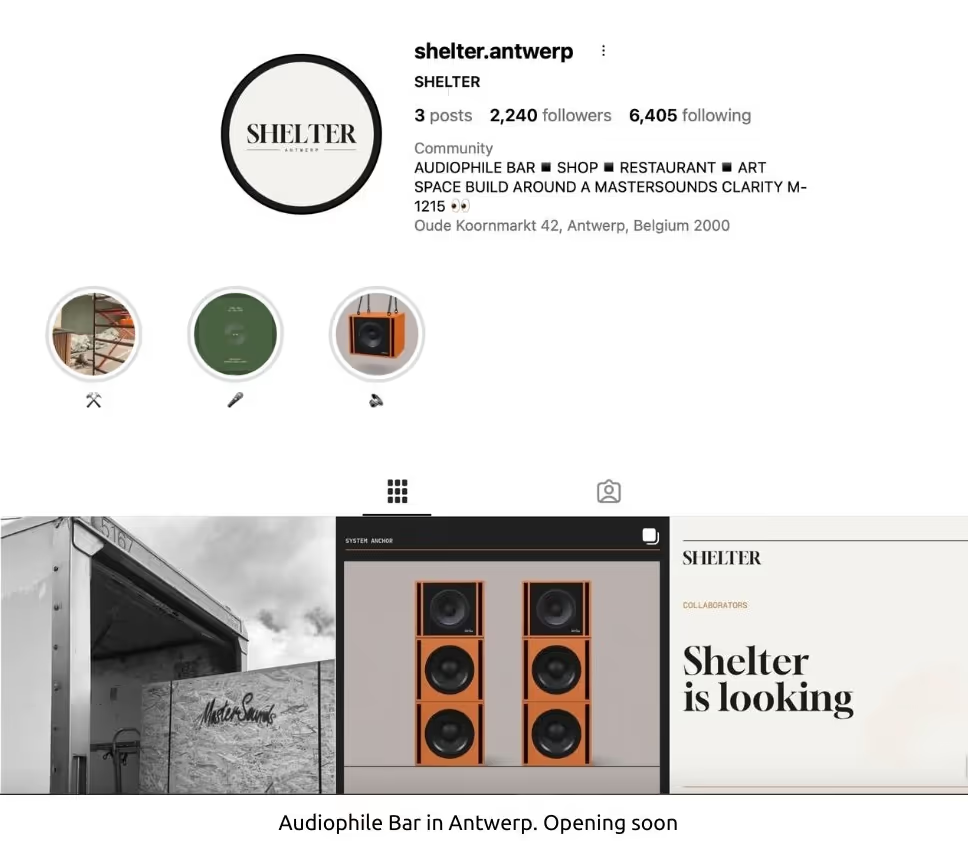
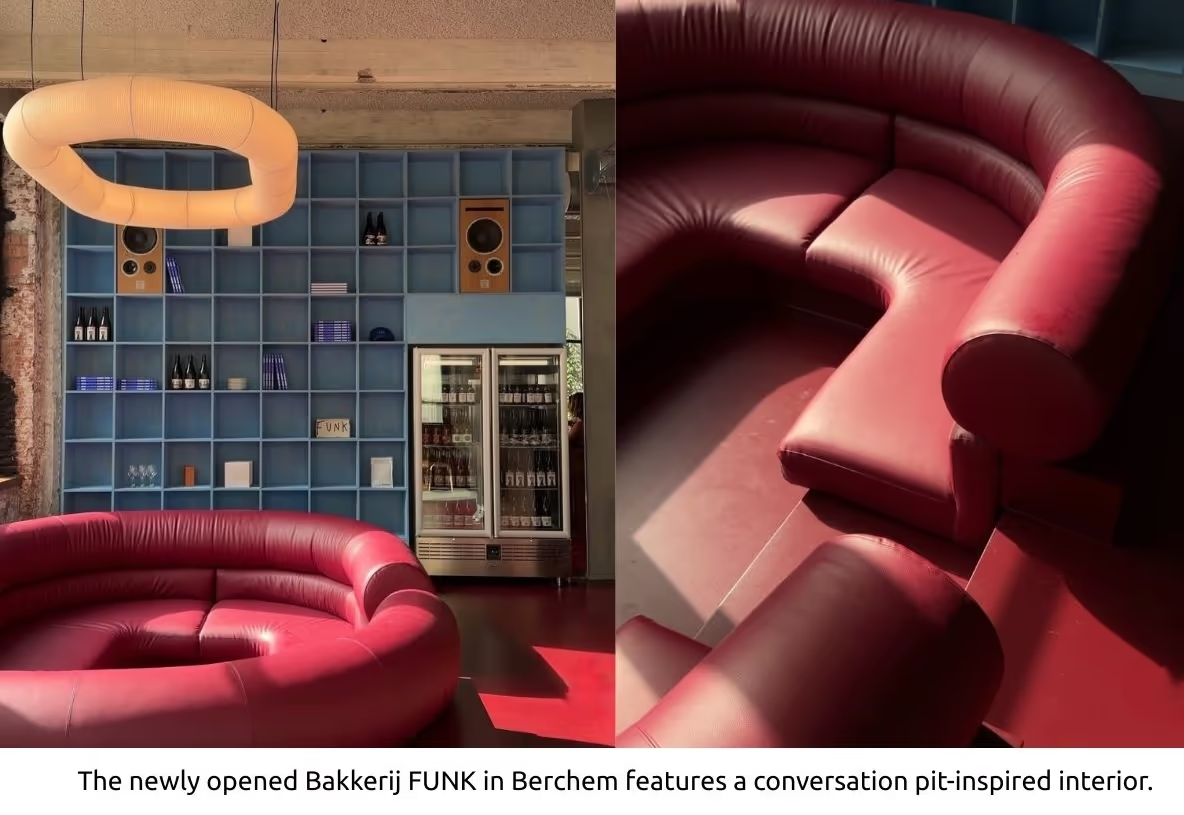
Kijk om je heen en je zult merken hoe Gen Z op onverwachte manieren weer gemeenschapszin tot leven brengt. De culturele verschuiving naar eenvoudigere dingen en gedeelde momenten – waar je jezelf kunt zijn, en niet een Instagram-concept – heeft geleid tot een groeiende waardering voor langzamere, betekenisvollere, nostalgische ervaringen die gemeenschappen bevorderen: hardloopclubs, yoga- en pilatesretraites, ‘conversation pits’ geïnspireerd op de retro-interieurs van de jaren ’70 en ’80, luisterbars met vinyl, gedempte verlichting en zachtgesproken gesprekken die een gevoel van intimiteit creëren. Het straalt allemaal een huiselijke loungesfeer uit – een plek waar je naartoe komt om te chillen. En dit is precies waar Sofia Coppola-achtige gesprekken ontstaan.
Diezelfde culturele verschuiving verandert ook de manier waarop we over ‘thuis’ denken.
Mensen gaan er vaak vanuit dat co-living vooral draait om betaalbaarheid. Hoewel gemak zeker een rol speelt, is dat zelden het hele verhaal. Flexibele contracten, gemeubileerde kamers en gedeelde voorzieningen maken verhuizen gemakkelijker, maar wat mensen ertoe brengt te blijven, is veel moeilijker te kwantificeren.
Verbondenheid.
Sommige van de meest betekenisvolle gesprekken vinden niet plaats tijdens netwerkevenementen of zakelijke conferenties. Ze ontstaan terwijl je na het werk wacht tot de waterkoker kookt of wanneer je onverwachts iemand tegenkomt tijdens de wasuren die elkaar overlappen.
En je hoeft je avondritueel – de warme douche, de verkoelende pleisters, de podcast voor het slapengaan – niet eens over te slaan voor een avondje uit. Een gemeenschap begint zelden met grootse evenementen. Vaker groeit ze door gewone momenten die langzaam deel gaan uitmaken van je routine.
In veel opzichten zijn die alledaagse interacties een luxe geworden.
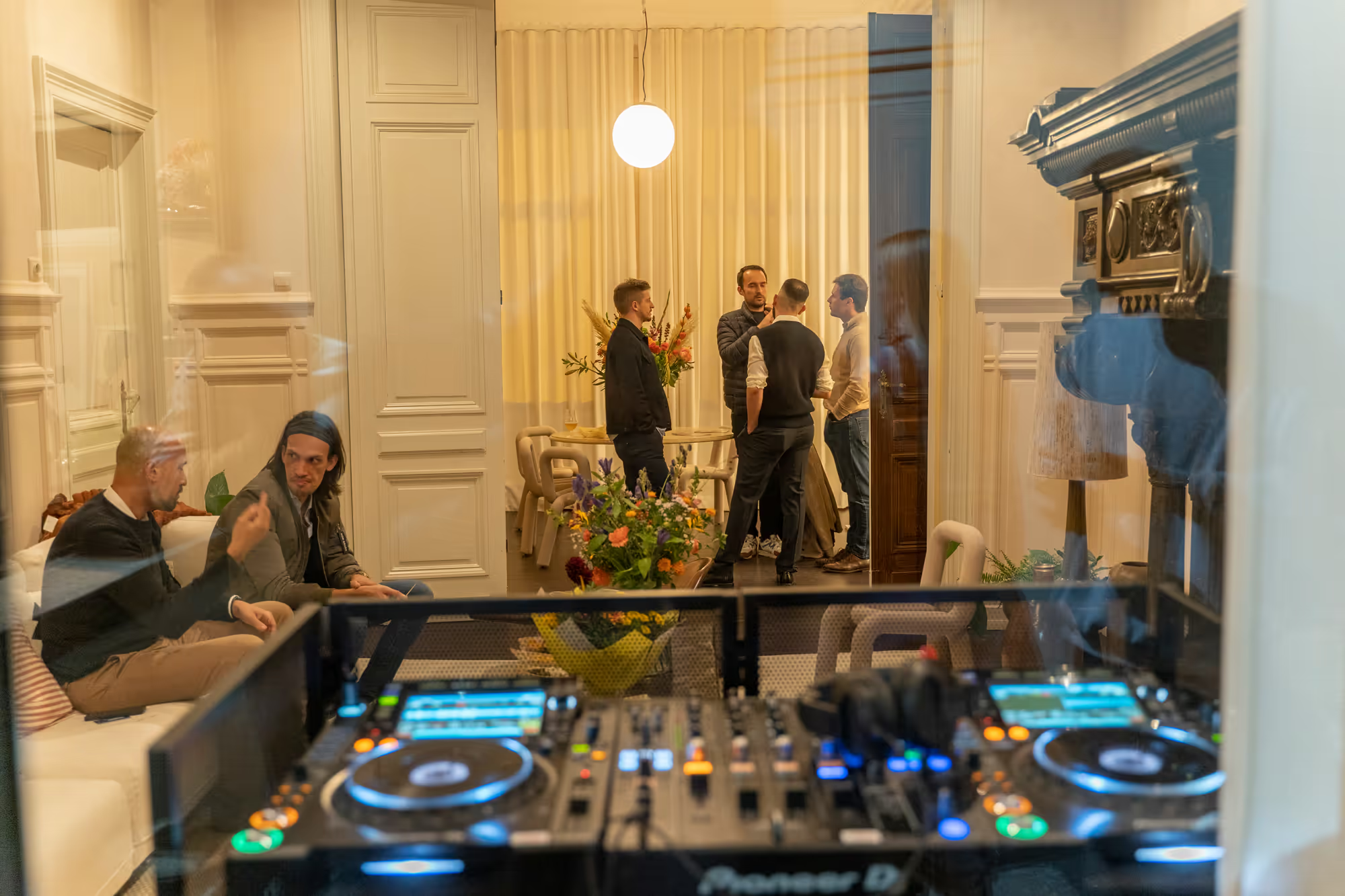
De oprichter van HOC, Pim Smet, zegt bescheiden dat er geen groot, vooruitstrevend idee was – het is vooral hoe de dingen op natuurlijke wijze zijn verlopen. Met veel andere cohousingprojecten die al bestonden, merkt hij op dat gemeenschap conceptueel vaak over het hoofd werd gezien. Wanneer mensen alleen voorzieningen delen zonder samen activiteiten te ondernemen die buiten de routine vallen, ontstaat er een vruchtbare bodem voor spanning tussen hen. Een inzicht dat hij deelt, is dat de oplossing voor deze spanning ligt in het aanbieden van alle voorzieningen en faciliteiten door de organisatie, zodat mensen er gelijkelijk gebruik van kunnen maken en in de mate die ieder nodig heeft. Het andere verhelderende idee is om hen met elkaar in contact te brengen door elkaar ook buiten het huis te leren kennen – via gezamenlijke activiteiten en evenementen.
We leven in een post-pandemische wereld waarin werken op afstand, kunstmatige intelligentie en digitale communicatie de manier waarop we werken en met elkaar omgaan ingrijpend veranderen. Hoe meer ons leven zich online afspeelt, hoe meer we de mogelijkheden om offline contact te maken lijken te waarderen.
Dat werd vooral duidelijk toen ik met leden van de HOC-gemeenschap sprak.
Ik verwachtte dat veel bewoners me zouden vertellen dat ze voor co-living hadden gekozen omdat ze onlangs vanuit het buitenland naar Antwerpen waren verhuisd. En hoewel dat bij velen het geval was, was ik oprecht verrast door het aantal mensen dat al hun hele leven in Antwerpen had gewoond.
Ze waren niet zomaar op zoek naar een woning.
Ze waren op zoek naar een andere manier van leven.
Sommigen wilden een nieuwe start na een ingrijpende verandering in hun leven. Anderen wilden hun sociale kring buiten het werk of de universiteit. Velen wilden gewoon thuiskomen op een plek waar mensen elkaars namen beter kenden.
Dat inzicht bevestigde iets wat we vaak over het hoofd zien: het verlangen naar een gemeenschap is niet voorbehouden aan internationale nieuwkomers. Soms kun je je hele leven in dezelfde stad doorbrengen en toch op zoek blijven naar een plek waar je echt thuishoort.
Dit is precies waar co-living verschilt van traditionele woongemeenschappen.
Het gaat niet alleen om het delen van een dak.
Bij HOC zien we dat elke dag. Hoewel we een scala aan woonmogelijkheden bieden – van levendige co-livingwoningen tot rustigere cohousingruimtes en privéstudio’s – blijft het idee hetzelfde: plekken creëren waar mensen niet alleen naast elkaar wonen, maar ook de kans krijgen om oprechte banden op te bouwen.
Als je benieuwd bent hoe dat voelt, is een brochure of plattegrond misschien niet de beste manier om er kennis mee te maken.
Kom naar een van onze gemeenschapsevenementen.
Misschien kom je als bezoeker.
Misschien vertrek je al met een paar nieuwe buren.
Tatiana Tsapenko | juli 2026
Volgend artikel
HOC heeft een warmhartige, stille ruimte gecreëerd midden in de drukke wijk Seefhoek, ook wel bekend als Antwerpen 2060 of kortweg 2060. Het is een plek geworden waar het lawaai van het stadsleven even verdwijnt
Verder lezen